
Exhibitor guide
How to Choose the Right Exhibition Booth Size
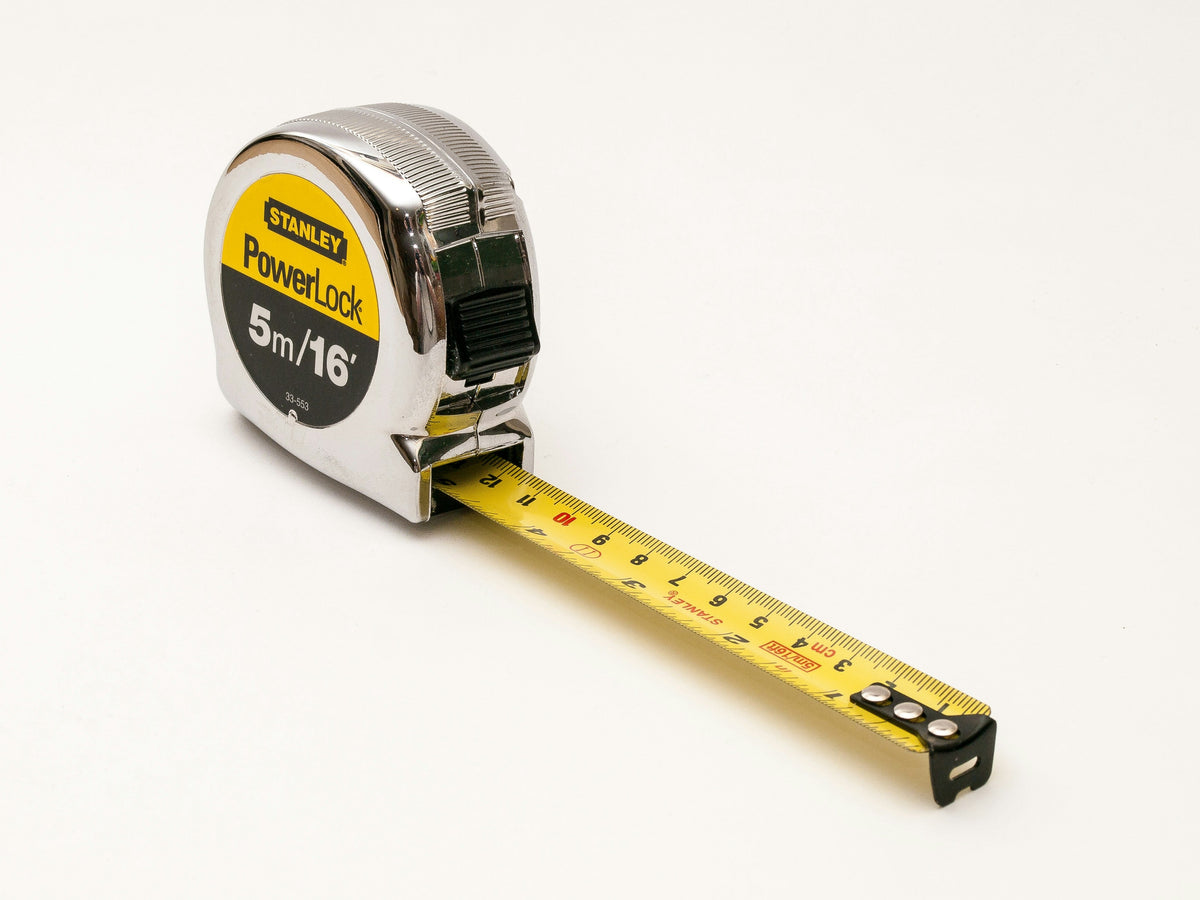
Getting the footprint right before you lock in your space.
Booth size is one of the first decisions you'll make, and it's usually locked in months before you've thought about your stand design. That's a problem, because the space you book quietly shapes everything that follows: your budget, your layout, how many people can work the stand, and how the whole thing feels on the day. Here's how to choose a size that actually matches what you're trying to achieve, rather than just grabbing whatever's left on the floor plan.
Start with the job, not the size
Before you look at a single floor plan, get clear on what the booth has to do. A stand built for quick lead capture has very different requirements to one built for live product demos or private sales conversations. Are you handing out a flyer and scanning a badge, or sitting people down for a fifteen-minute pitch? Do you need a screen, a counter, a meeting nook, somewhere to store stock?
What to do instead of guessing: Write down the three things you most want the booth to do. Almost every sizing decision becomes obvious once you know whether you're optimising for foot traffic, demonstrations, or conversations.
The common sizes and what they suit
Most Australian shows sell space in three-metre increments, so the sizes below are the ones you'll see again and again.
3m × 3m is the standard entry point and by far the most common stand on the floor. It's enough for strong branding, a counter, and one or two staff having conversations. It's ideal for first-timers, smaller budgets, and shows where you mainly want presence and a place to capture leads.
3m × 6m gives you room to breathe. You can split the space into a welcome zone and a conversation or demo area, add seating, and still keep a storeroom out of sight. This is the sweet spot for businesses that want to look established without committing to a major build.
6m × 6m is where a stand starts to feel like a destination. You've got space for a proper meeting area, a demo zone, product display, and several staff working at once. It also opens up the possibility of an open or island layout that visitors can walk into from more than one side.
6m × 9m and larger is territory for established exhibitors with a clear plan and the team to staff it. The risk at this size isn't space, it's emptiness. A large stand that isn't busy looks worse than a small one that's buzzing.
Don't forget the third dimension
Floor area gets all the attention, but height is what people see from across the hall. A tall element, an overhead banner, a raised sign, or a lightbox tower, pulls visitors toward you long before they can read a word. Check the venue's height limit early, because it varies by hall and by stand type, and design upward as well as outward.
Account for the things that eat space
The most common sizing mistake is forgetting that your booth isn't just open floor. Counters, seating, a storeroom, a demo table, bags and coats and boxes of stock all take up room. A 3m × 3m stand with a counter, a screen, and two staff can feel full very quickly.
What to do instead: Sketch your layout to scale before you commit, and leave clear circulation space so visitors can step in without feeling crowded. If it looks tight on paper, it'll feel tighter on the day.
Position matters as much as size
Where your stand sits on the floor plan can be worth as much as an extra few square metres. A corner stand opens to two aisles and feels far more accessible than an inline stand of the same size. End-of-row and island positions get traffic from multiple directions. If a better position is available for a small premium, it's often money better spent than simply buying more floor.
The bottom line
The right booth size is the one that fits your goals, your team, and your budget, not the biggest one you can afford. Get clear on what the stand needs to do, plan the layout to scale, and don't overlook height and position. If you're weighing up a couple of options and want a second opinion, that's exactly the kind of thing we can talk through.
Photo by William Warby on Unsplash
Not sure which size suits your show? Let's work it out together.
Plan your booth
Make your next expo count.
Choose a booth you like. We’ll help make it yours.
Exhibitor guide
One Exhibition Kit, Different Stand Sizes: Plan the Layouts Before You Buy
Check your smallest and largest booked spaces together, then build a clear component and packing plan for each version of the stand.
Read the guide ↗
Exhibitor guide
Sharing an Exhibition Stand With a Partner: What to Agree First
Keep a shared stand clear and workable by agreeing on the visitor story, brand hierarchy, responsibilities and enquiry handover before design begins.
Read the guide ↗
Exhibitor guide
An Exhibition Photography Shot List You Can Actually Use Afterwards
Plan the pictures your website, sales team and next event brief will need, instead of coming home with fifty versions of the same wide...
Read the guide ↗