
Exhibitor guide
Trade Show Follow-Up: Turning Leads Into Sales
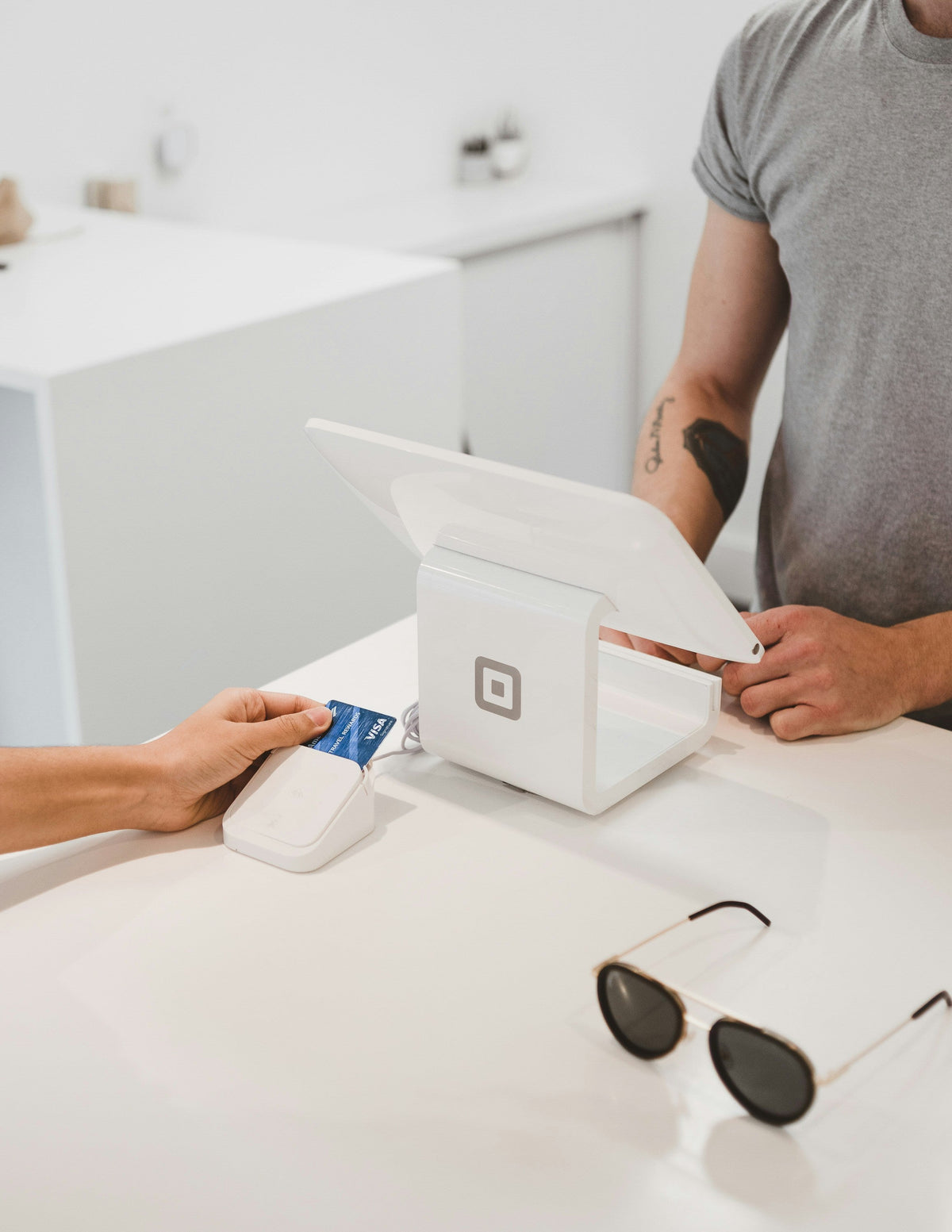
The work that actually pays for the show happens after it ends.
Here's an uncomfortable statistic that plays out at show after show: most leads collected at trade shows are never followed up. The booth gets built, the team works the floor, the badges get scanned, and then everyone goes back to their day jobs and the list of contacts slowly goes cold. The booth is the investment; the follow-up is where the return actually comes from. Here's how to make sure yours doesn't get wasted.
Why leads go cold
It usually isn't laziness. It's that nobody owned the follow-up, the notes were too thin to act on, or the team got buried in the backlog waiting for them when they returned to the office. By the time anyone gets to the list, the conversation is a blur and the lead has moved on. Avoiding this is less about effort and more about having a simple system in place before the show, not after.
Capture leads you can actually use
A name and a scanned badge isn't a lead, it's a contact. A lead is a contact plus the context that lets you pick up the conversation later. The difference is what you record on the day.
What to do instead of just scanning: For each genuine conversation, capture what they were interested in, what they need, roughly when they're looking to act, and one personal detail to jog your memory. A line or two is enough. That tiny bit of context is what turns a cold email into a warm one.
Sort before you send
Not every lead deserves the same follow-up. Some are ready to buy, some are months away, and some were just being polite. Treating them all identically wastes your best opportunities. Sort your list into hot, warm, and cold as soon as the show ends, while it's fresh, and prioritise accordingly. Your hot leads should hear from you first and fastest.
Speed beats polish
The single biggest lever in follow-up is timing. A good message sent within 48 hours, while your stand and your conversation are still fresh in their mind, beats a perfect message sent two weeks later when they've forgotten meeting you. Don't wait until you've cleared your inbox or built the ideal email sequence. Get something useful out quickly, then follow up properly.
What to do instead of waiting: Draft your follow-up templates before the show, so all you have to do afterwards is personalise and send. The work's already done when you're tired and behind.
Say something worth reading
"Great to meet you at the show" followed by a generic brochure is forgettable. Reference the actual conversation, answer the question they raised, and give them a clear, easy next step, a call, a quote, a sample, a meeting. Personalised and specific always beats polished and generic. This is exactly where the context you captured on the day earns its keep.
Measure it, so next year is better
If you don't track what happened to your leads, you'll never know whether the show was worth doing. Record how many leads you captured, how many converted, and what they were worth. Even rough numbers tell you whether to rebook, what to change, and which shows actually pay their way.
The bottom line
A trade show doesn't end when you pack down the booth, that's when the part that pays for it begins. Capture leads with real context, sort them fast, follow up within days, and make every message specific. The exhibitors who win at shows aren't always the ones with the biggest stands; they're the ones who do the follow-up everyone else skips.
Photo by Clay Banks on Unsplash
Planning your next show? Let's make sure the whole thing earns its keep.
Plan your booth
Make your next expo count.
Choose a booth you like. We’ll help make it yours.
Exhibitor guide
One Exhibition Kit, Different Stand Sizes: Plan the Layouts Before You Buy
Check your smallest and largest booked spaces together, then build a clear component and packing plan for each version of the stand.
Read the guide ↗
Exhibitor guide
Sharing an Exhibition Stand With a Partner: What to Agree First
Keep a shared stand clear and workable by agreeing on the visitor story, brand hierarchy, responsibilities and enquiry handover before design begins.
Read the guide ↗
Exhibitor guide
An Exhibition Photography Shot List You Can Actually Use Afterwards
Plan the pictures your website, sales team and next event brief will need, instead of coming home with fifty versions of the same wide...
Read the guide ↗